



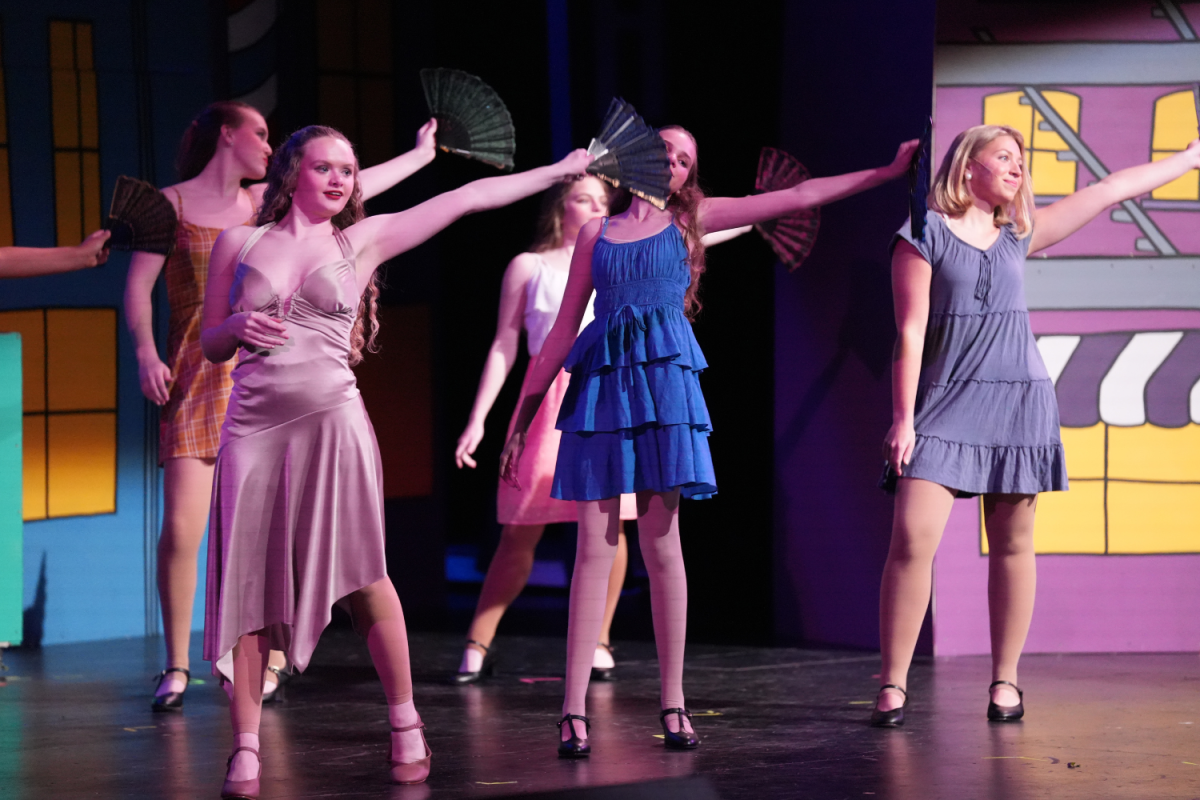












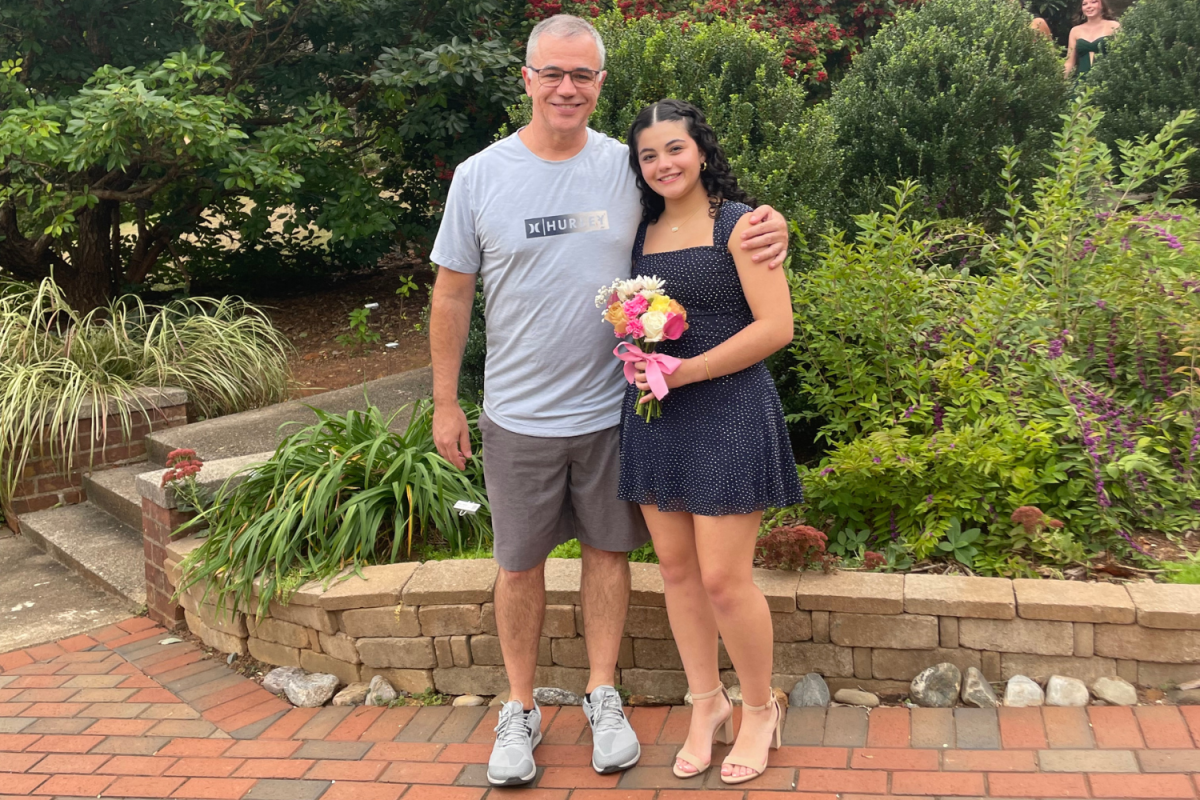
Penélope Sa is many things. A dancer, for one—at one point competitively—a big sister, a writer, and a lover of learning. Penélope grew up, by all standards, fairly typically. She was used to the label of “picky eater” and certain fabrics not sitting right against her skin, but she still felt like every other kid. When Penélope reached sixth grade, she began to feel a difference between her and her other classmates.
“I was always a very clingy kid to my parents and had more difficulty with transitions than other kids,” Penélope said. “I had sensory differences as well; I was the kid at birthday parties that had to bring their own food just so I would eat.”
It would take four more years before Penélope would come to understand that these behaviors were more than just quirks. The answer came in the form of a diagnosis: autism.
According to the National Institutes of Health, most children begin showing symptoms as early as 12-18 months old and are usually diagnosed at some point after the age of 3. Yet over a decade after this milestone, Penélope had still not been diagnosed. Many studies show that autistic girls are more likely to be underdiagnosed or misdiagnosed due to sex-based stereotypes that exist in the medical field. According to Dr. Susan F. Epstein of The Child Mind Institute, the medical research field has created a model for autism, and that model is male.
“So where the boys are looking at train schedules, girls might have excessive interest in horses or unicorns, which is not unexpected for girls, but the level of the interest might be missed, and the level of oddity can be a little more damped down,” Epstein said. “It’s not quite as obvious to an untrained eye.”
This is why so many women are underdiagnosed, because they do not fit the “mold” for what autism looks like. While girls may demonstrate each symptom of autism on paper, the way it manifests is often attributed to “typical girl behavior.”
“Autistic Enough”
Since being diagnosed with autism, Penélope has struggled with impostor syndrome. Davie High, like other public schools, provides accommodations for its disabled students, but despite their utility, Penélope has often worried about taking advantage of the system and not being “autistic enough.”
“I’m very blessed to be able to attend school and be in higher-level classes,” Penélope said. “However, I tend to doubt the support I need because of my ability to be in those classes. A lot of thoughts I have are, ‘Do I really need accommodations?’ ‘Am I taking inappropriate advantage of my supports?’”
CJ Sheppard has been a school counselor for 11 years, four of those at Davie High. During this time, he has taken on organizing accommodation plans for students with disabilities or any other differences that hinder their ability to learn in a standard classroom setting.
“They receive accommodations that help level the playing field,” Sheppard said. “A team of people at the school level, parents, and the students will determine, based on the data, if accommodations are needed for student success.”
Accommodations at Davie can range from 504 plans to IEP plans. In Penélope’s case, her needs are best met by a 504 plan. Penélope’s accommodations allow her to focus on assignments, like tests and quizzes, with 50% extra testing time and multiple-day testing if needed.
“I use accommodations because I have very slow processing speed, so it takes me a little longer to pick up on certain things in class as well as understanding questions on a test, for example,” Penélope said. “It is also helpful for me to be in a different room because I tend to get very overwhelmed when I can hear my peers clicking their pen, typing, bouncing their leg, etc.”
While Penélope is supported and loved by many, her father, Gustavo—affectionately referred to as Gus—is her biggest fan.
“My relationship with my dad is very sweet. He is my biggest supporter and helps me with anything I need,” Penélope said. “He is very understanding of my needs and differences and started researching autism as soon as it entered the conversation to help better understand me.”
When she was little, Gus never noticed anything particularly different about Penélope. To him, every child had their own oddities; Penélope just happened to be more sensitive than others.
“Like every child, she had her own unique personality, interests, and quirks, which I saw as part of what makes every child special,” Gus said. “Looking back, some things that seemed like individual preferences or habits now make more sense in the context of her diagnosis, but at the time, I simply saw Penélope as herself.”
Gus admits that the process for Penélope’s diagnosis was complex, even having to retrieve memories from very early childhood to understand her condition better. However, the experience allowed Gus to better understand Penélope altogether, and he has made a significant effort to help Penélope manage any issues she may have since her diagnosis.
“This Narrative is Not New”
Autism is not preventable; it is a genetic disability that manifests before a child is even born. Despite this widespread knowledge, millions of dollars have been invested into finding a cure, further fueling the misconception that autism is a disease that someone can contract. In order to work against this misinformation, many people in and outside the autistic community have sought to represent autistic people in the media. Penélope has her own thoughts on how autism is represented in TV and film.
“The media portrays autism ‘okay-ly,’” Penélope said. “Sometimes it’s great, and sometimes it’s terrible. Great examples of autism in the media are ‘The Good Doctor’ and ‘Atypical,’ which I think were done beautifully by the shows and actors. I could really relate to the characters and see my own struggles throughout the plots. However, autism has a bad rep in the political world with people believing it’s a disease or comes from environmental factors.”
The rhetoric Penélope is referring to has become more frequent in American politics, leaving many people in the autistic community outraged. On April 16, 2025, Robert F. Kennedy Jr., Secretary of the United States Department of Health and Human Services, held a press conference focused on autism and other developmental disabilities. The controversy arose specifically from his statements on what he claimed autistic people would never be able to do. Common things like holding a job, paying taxes, writing poetry, and even using the bathroom unattended.
Penélope knew she didn’t fit this description. She has a job, and she writes as easily as a neurotypical person would. It all became even more frightening when the news came that the National Institutes of Health plans to collect the private medical records of Americans as a part of Kennedy’s plan to find a cause and a cure for autism.
Penélope’s autism affected her from the moment she woke up in the morning to the time she went to bed. No medicine or prenatal exercise could have been done prior to Penélope being born that would have prevented her autism, and she was aghast that that would even be suggested. Gus has been similarly dejected by the misinformation that has recently been published about autism.
“It saddens me to see news coverage of people linking certain drugs and vaccines to autism without any scientific data to back it up,” Gus said. “Unfortunately, this narrative is not new, and it is currently being shared by people with a lot more reach than in the past.”
Since this press conference, other public officials have echoed similar concerns about autism, continuing a conversation that many in the autistic community find deeply troubling. For Penélope, the political debate around autism can feel deeply personal. This rhetoric—especially when it centers on children—often emphasizes prevention and finding a cure. But while Penélope has acknowledged that the disability affects how she communicates with people and sees the world, she believes that this focus misses the point.
“I think that communities can help by just simply accepting us and the fact that there is no cure,” Penélope said. “We aren’t going to change who we are for anyone, so there’s no use trying to change us.”